Nature's Culinary Curiosities
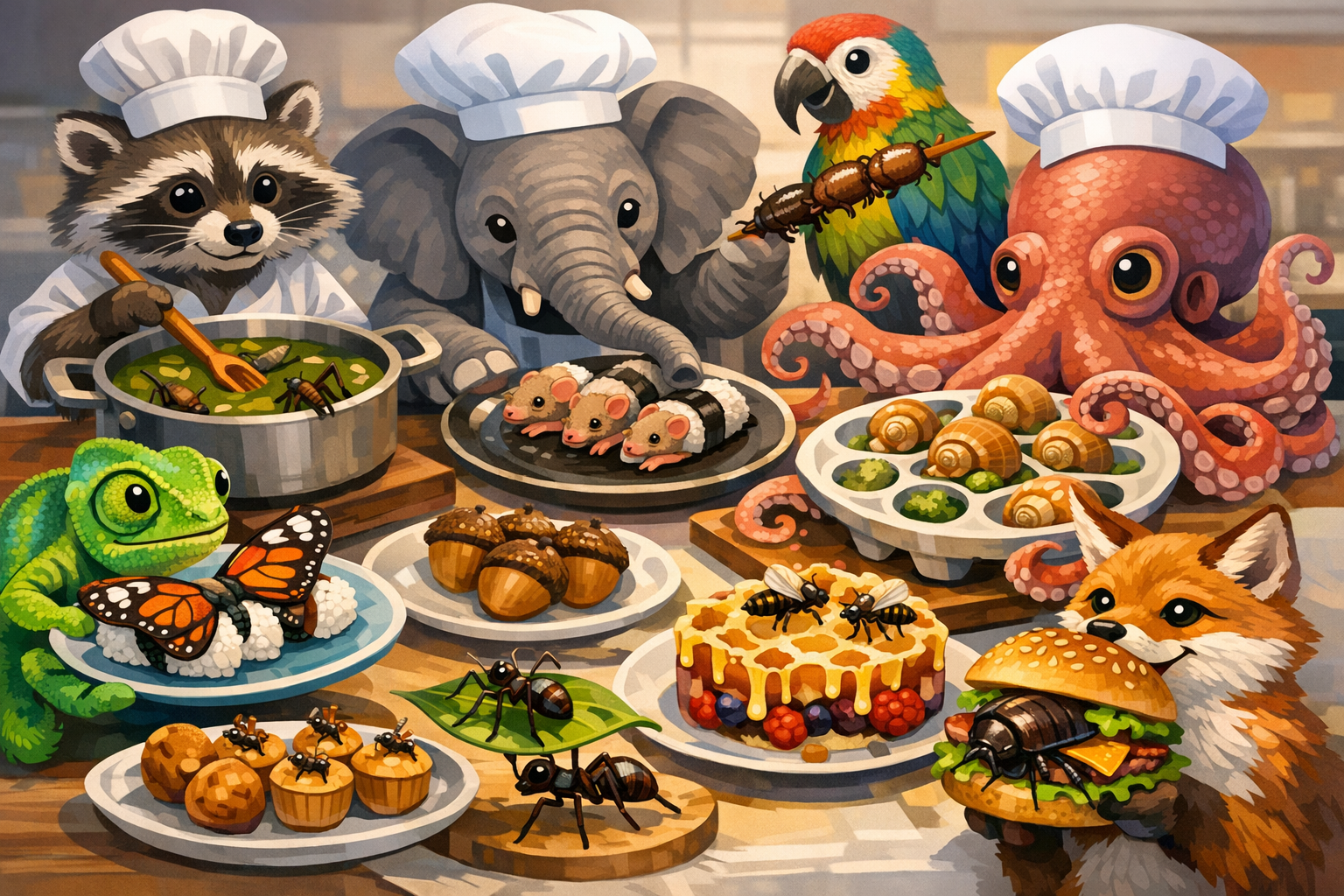
When it comes to culinary creativity, nature often outshines even the most avant-garde human chefs. Animals have been crafting peculiar delicacies long before humans ever concocted fusion cuisine or molecular gastronomy. Let's embark on a journey across the animal kingdom to uncover some of the weirdest foods invented by our furry, feathered, and finned friends.
Ants with a Zing
If you've ever mistakenly bitten into a lemon, you might understand what it's like to taste a lemon ant. Found in the rainforests of the Amazon, these tiny creatures boast a distinctive citrus flavor. Indigenous tribes, like the Jivaroan people, often snack on them straight from the forest floor. Their zingy taste is a result of their diet, which includes a variety of plant oils. Talk about a zesty surprise!
Pufferfish's Poisonous Delicacy
The pufferfish, or fugu, is notorious for its deadly toxins. However, it’s perhaps less known that these sea swimmers ingeniously craft their own delicacy. By ingesting toxins from other marine creatures, pufferfish become a potential gourmet meal in Japan. While chefs require extensive training to prepare this dish safely for humans, pufferfish have naturally mastered the art of culinary suspense.
Vulture's Unique Taste for Rot
In a world where freshness is king, vultures turn the concept of gourmet food on its head. These scavengers thrive on carrion, finding gastronomic gold in what would be considered waste by others. Their highly acidic stomachs allow them to feast on decaying fare without falling ill. Though it might not sound appetizing to us, it’s a testament to nature’s ability to turn refuse into a feast.
Termites: The Mushroom Farmers
Did you know termites are not just wood-munchers? Some species are renowned farmers, cultivating fungi as a food source. In a mutualistic relationship, these termites build special chambers for their fungal gardens, feeding them wood pulp and harvesting the mushrooms that grow. This cultivated cuisine is a staple in the termite diet, offering a perfect blend of nature’s innovation and sustainable practices.
Bowerbirds: Nature’s Decorators
While not exactly food, bowerbirds in Australia create elaborate displays that resemble avant-garde dining experiences. Male bowerbirds gather colorful objects like berries, flowers, and even bits of plastic to decorate their bowers, enticing mates. These displays are akin to setting a table with nature’s buffet, proving that sometimes the environment is as much a part of the experience as the food itself.
Bees and Their Honeycomb Mastery
Last but not least, bees deserve a nod for their honey-making prowess. These industrious insects transform nectar into one of nature’s sweetest treats, storing it in intricately designed honeycombs. The hexagonal architecture maximizes space and efficiency, a marvel of natural engineering that’s as functional as it is beautiful. Honey not only serves as food for the hive but has become a human culinary staple, sweetening dishes worldwide.
Lessons from Nature's Chefs
These animal inventions highlight a world of culinary wonders beyond human creativity. From the zesty punch of lemon ants to the honeyed perfection of bees, nature’s chefs offer a menu that’s diverse and often surprising. As we explore these bizarre bites, we gain a deeper appreciation for the resourcefulness and inventiveness inherent in the natural world, reminding us that sometimes, the best recipes are found in the most unexpected places.