The Enigma of Forgotten Languages
Imagine waking up in a world where the signs and symbols around you are indecipherable. For modern linguists and historians, this isn't a far-off fantasy but a daily reality. Across the globe, countless languages have faded into obscurity, leaving behind cryptic inscriptions and baffling texts that baffle even the sharpest minds. How do these forgotten languages fit into the tapestry of human history, and what secrets might they hold?
Unearthing Ancient Texts
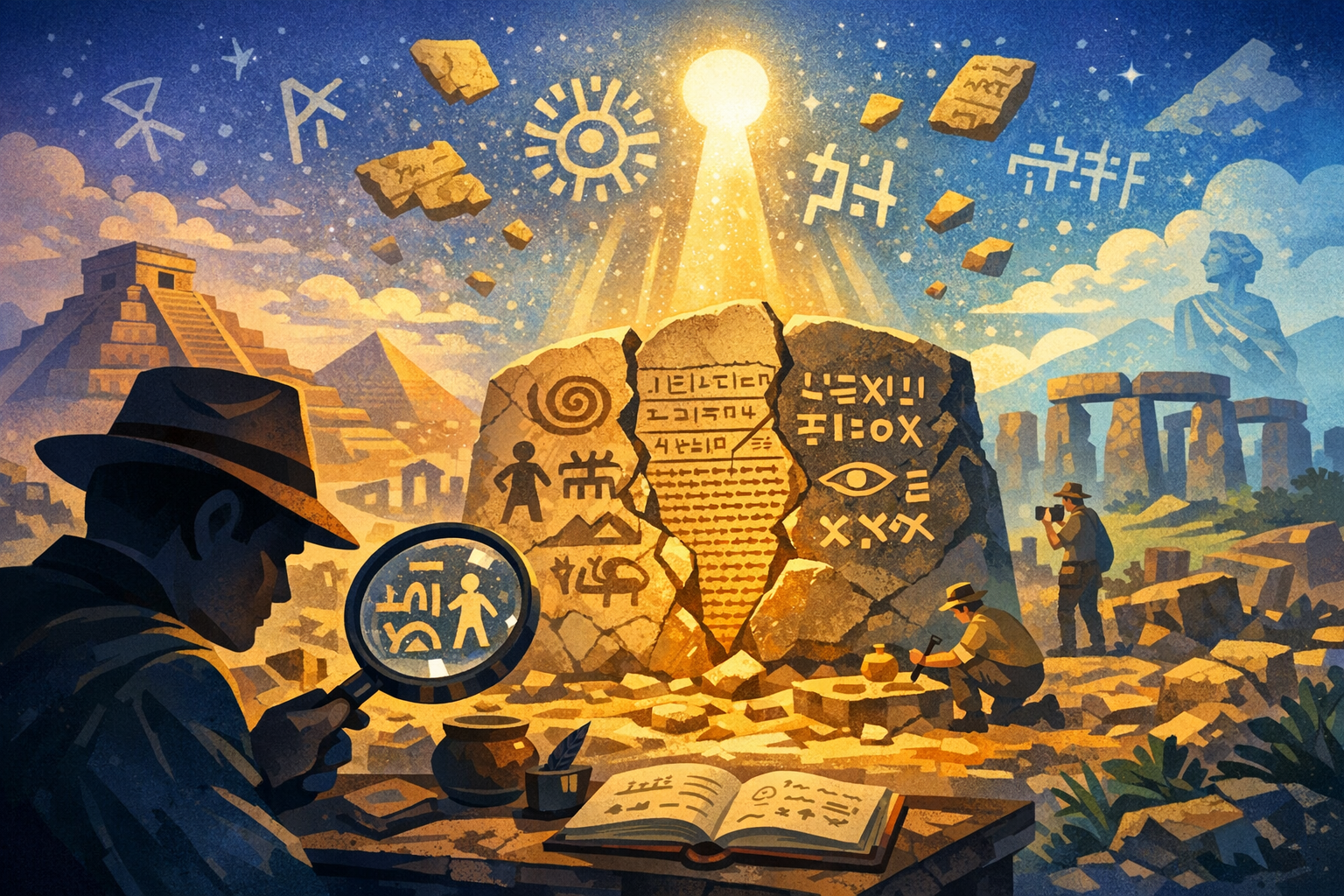
From the Rosetta Stone to the mysterious script of the Indus Valley Civilization, ancient texts have often been the key to unlocking the past. These languages, once spoken fluently by entire civilizations, now beg to be understood again. While some have been successfully decoded, like Egyptian hieroglyphs, others remain stubbornly elusive. For instance, the Linear A script of the Minoans continues to resist interpretation, despite extensive efforts.
The Role of Technology
Modern technology has revolutionized the field of linguistics. Computational algorithms and machine learning are breathing new life into the analysis of ancient scripts. The application of AI in deciphering languages involves pattern recognition that can sort through thousands of characters to identify potential meanings. This was notably demonstrated with the Voynich manuscript, a medieval book filled with an undeciphered script and mysterious illustrations. Though still not fully understood, technological advancements have brought researchers closer to unearthing its secrets.
Beyond Words: Cultural Insights
Understanding a lost language is more than a mere academic exercise. It opens a window into the culture, beliefs, and daily life of a bygone era. Languages encapsulate a civilization's worldview, and deciphering them can reveal everything from trade practices to societal hierarchies. For example, the decipherment of Mayan glyphs revealed complex astronomical observations and rich narratives of kings and gods, reshaping our understanding of this ancient civilization.
The Impact on Modern Linguistics
Decoding forgotten languages also has profound implications for modern linguistics. It challenges existing theories on language evolution and provides data that can lead to new insights about how languages develop and influence one another. Discovering a new language structure might even refine our understanding of cognitive processes and how humans create and utilize language.
Lessons for the Future
The quest to decode ancient languages is not just a journey into the past; it's a quest for the future. As globalization accelerates and languages disappear at an alarming rate, the lessons learned from forgotten languages underscore the importance of preserving linguistic diversity. Efforts to document and revitalize endangered languages today draw directly from the methodologies developed for studying ancient scripts.
Are We Close to Another Breakthrough?
While some languages remain stubbornly unyielding, the drive to decode them is as strong as ever. Each breakthrough not only satisfies a piece of academic curiosity but also stitches another patch into the rich quilt of human history. Who knows what future discoveries might reveal about civilizations long lost to time?
So, the next time you encounter an ancient script, remember: it's not just a puzzle. It's a bridge to a forgotten world, waiting to be crossed.